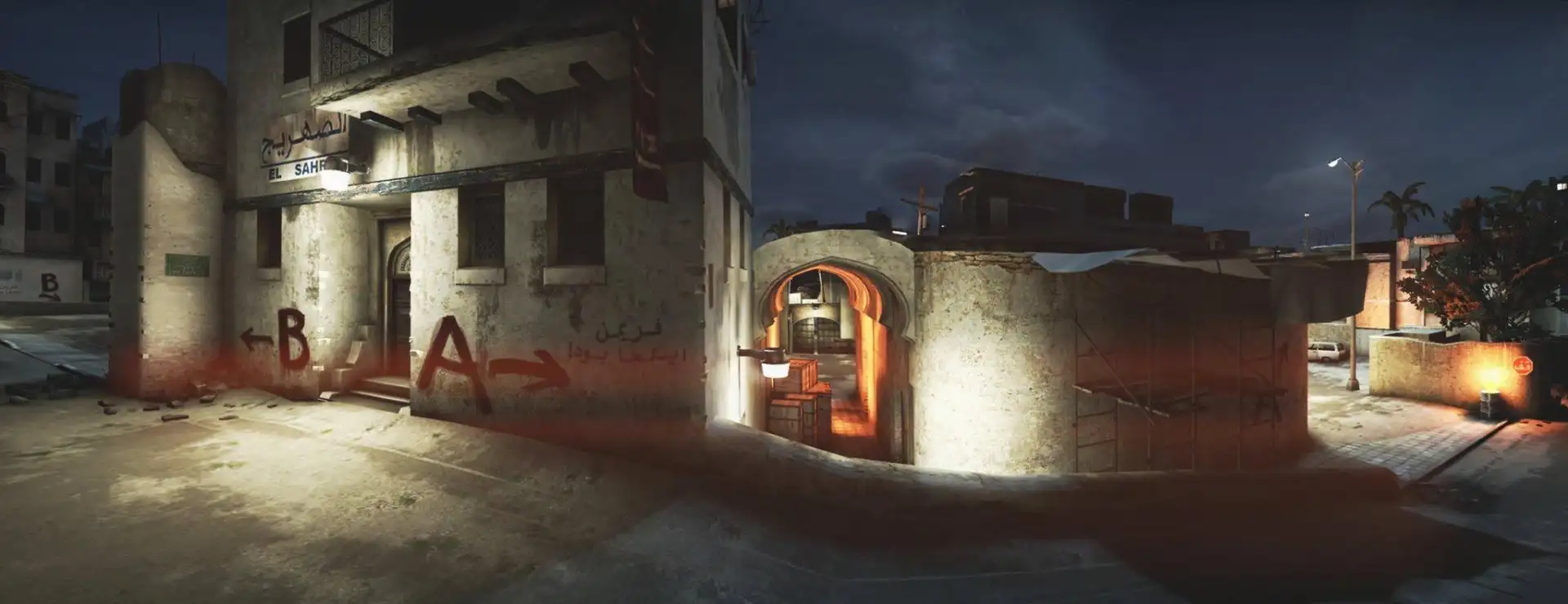

1win Private Club Season 1 has opened in Belgrade with eight teams competing on LAN for $100,000. The four-day Counter-Strike event uses a double-elimination bracket, giving every participant a second route after an opening defeat and reserving a best-of-five series for the grand final.
The field combines established international teams with two closed-qualifier entrants. magic, GamerLegion, Alliance, 3DMAX, Ninjas in Pyjamas and EYEBALLERS arrived through the event’s wider selection process, while K27 and SINNERS earned their places through the qualifier.
The tournament runs from September 25 through September 28. All series before the final are best-of-three, so a weak opening map does not end a match, but a short event still leaves little time to correct structural problems. Teams must adapt inside the bracket rather than relying on a long group phase.
The prize distribution rewards every finishing position. The champion receives $25,000, the runner-up $17,500, third place $13,500 and fourth $11,000. Teams finishing fifth or sixth earn $9,000 each, while seventh and eighth receive $7,500 apiece.
The bracket gives developing lineups a useful pressure test
The participants entered with a relatively compact ranking spread. magic were listed eighteenth by HLTV, followed by GamerLegion at twentieth, Alliance at twenty-first and 3DMAX at twenty-third. Ninjas in Pyjamas began at thirty-eighth, K27 at thirty-ninth, EYEBALLERS at forty-third and SINNERS at forty-seventh.
Those positions make the event competitive without producing one overwhelming favorite. The top four carry the strongest ranking evidence, but a LAN setting, recent roster changes and the double-elimination structure create room for teams from the lower half to build a run.
The eight-team field is:

- magic, GamerLegion, Alliance and 3DMAX form the highest-ranked half.
- Ninjas in Pyjamas and EYEBALLERS add experienced names to the field.
- K27 and SINNERS enter after progressing through the closed qualifier.
- Every team plays within the same double-elimination LAN bracket.
The format makes lower-bracket resilience a central part of the event. A team can recover from one loss, but the second defeat ends its run. That creates a practical test of preparation because opponents and turnaround times can change quickly as the bracket develops.
Map depth will also matter. Cache, Dust2, Mirage, Inferno, Nuke, Ancient and Anubis make up the available pool. With best-of-three matches throughout the bracket and a longer final, a team that depends on one favorable map will be easier to target during vetoes.
Belgrade offers more than a short-term prize payout
HLTV classifies the competition as a ranked event, so the consequences extend beyond the $100,000 prize pool. Results can influence how a team’s current level is evaluated, while LAN matches provide evidence that online form can survive a different competitive environment.
For newer lineups, the value lies in repeated high-pressure series. Ninjas in Pyjamas are testing a recent leadership change, while several other teams are still defining their place below the elite tier. A compact LAN can expose communication and map-pool weaknesses more clearly than isolated online matches.
The final’s best-of-five format raises the standard again. Reaching it requires surviving the bracket; winning it requires enough preparation across most of the map pool. That makes the event a useful measure of both immediate form and the underlying quality of each project.

| Stage or finish | Format or reward | Competitive meaning |
|---|---|---|
| Bracket matches | Double elimination, best-of-three | One loss can be recovered |
| Grand final | Best-of-five | Broader map pool required |
| Champion | $25,000 | Largest share of the purse |
| Runner-up | $17,500 | Reward for reaching the final |
| Seventh-eighth | $7,500 each | Every participant earns prize money |
1win Private Club Season 1 places eight closely matched teams in a format that rewards adaptation. The ranking order provides a starting hierarchy, but the double-elimination bracket gives every lineup an opportunity to respond after one poor series.
By the end of the Belgrade event, the strongest team will need to have demonstrated more than a single upset. It must navigate multiple best-of-three matches and then prove its depth over a best-of-five final.
Comments