

G2 captain Nemanja “huNter-” Kovač has explained how the team is adjusting its system around Artem “r1nkle” Moroz without discarding the structure built before his arrival. G2 signed the Ukrainian AWPer to add aggression and unpredictability, but the early version of the partnership remains a work in progress.
The challenge is visible in r1nkle’s initial output. He has survived 43 percent of rounds with G2 while recording 0.57 kills per round, a combination that suggests he is staying alive without yet converting enough of those positions into impact. huNter- believes confidence and stronger team play are central to changing that balance.
G2 are not attempting to rebuild every round around one player. huNter- said the team is adding ideas that r1nkle likes while retaining useful elements of the previous system with SunPayus. That compromise matters because four other players still need familiar spacing, timing and responsibilities to perform consistently.
The captain’s explanation also separates mechanical ability from role execution. He praised r1nkle’s skill and long-term potential, but emphasized patience when the opening phase offers no aggressive opportunity. An AWPer can influence a round by holding utility and surviving for the smaller situations that appear after the first exchanges.
G2 are redefining aggression as a timed resource
The word aggressive can be misleading when applied to a sniper. It does not require an opening peek in every gun round. Effective aggression depends on information, spawn, utility and the positions teammates can protect. G2 want r1nkle to retain his initiative while choosing moments that do not expose the entire structure to one failed duel.
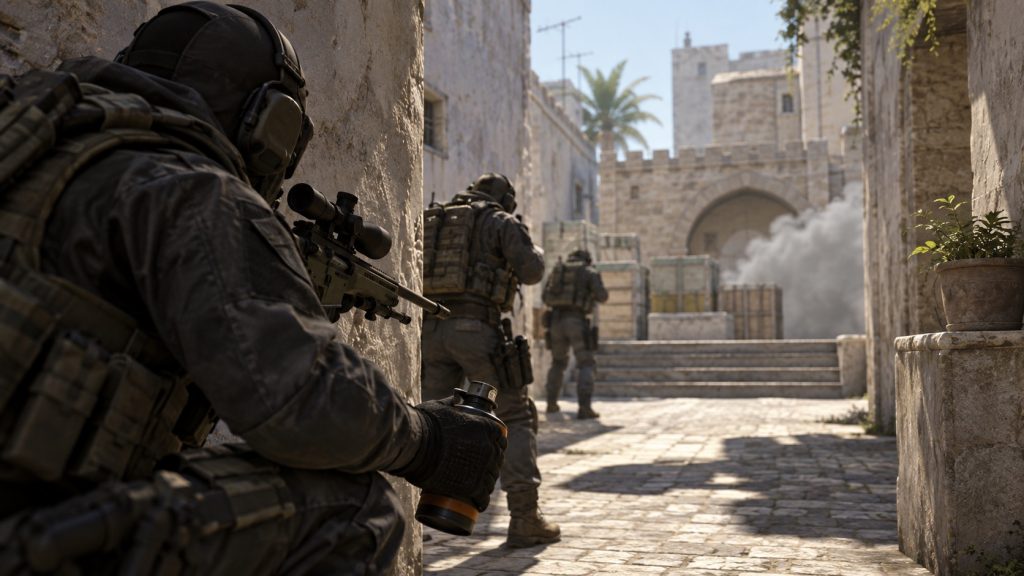
Ancient and Inferno make that balance particularly difficult. huNter- described both maps as restrictive for AWPers because opponents anticipate common aggressive angles. G2’s response is to prepare selected rounds that give r1nkle greater freedom instead of asking him to manufacture space without support every time he buys the weapon.
The adaptation has five clear components:
- G2 keep effective parts of the former SunPayus structure.
- The team adds selected calls that fit r1nkle’s preferred movements.
- Map-specific set rounds create safer opportunities for early AWP impact.
- r1nkle supports teammates when an opening duel is not available.
- Patience preserves the sniper for later 4v4 and 3v3 situations.
The supportive role on T sides is especially important. During the first minute, r1nkle may hold flashes or protect a teammate rather than search for a kill. If the round becomes a 4v4 or 3v3, the retained AWP gains room to reposition and punish rotations, turning early restraint into late-round leverage.
This approach also explains why huNter- connected individual form to the team’s overall level. A sniper receives better choices when teammates create information, preserve utility and trade reliably. If G2 improve those fundamentals, r1nkle can take calculated risks instead of feeling responsible for producing an advantage alone.
The same philosophy extends beyond the AWP. huNter- discussed position changes intended to restore MATYS’s confidence, showing that G2 are adjusting several relationships at once. Each improvement must fit the collective system, otherwise making one player comfortable simply transfers the difficulty to another role.
Why patience may decide G2’s EPL ceiling
G2’s immediate objective is to reach the ESL Pro League Season 24 playoffs and play in the Spodek arena. Achieving it requires better team performances than their early group-stage level. The r1nkle project is therefore being tested in meaningful matches before every adjustment has had time to become automatic.
There is no contradiction between preserving old ideas and making room for a new AWPer. A stable baseline gives G2 something to return to when an experimental call fails. The important question is whether the selected r1nkle rounds appear often enough to build confidence and whether he remains engaged when his responsibility is supportive.
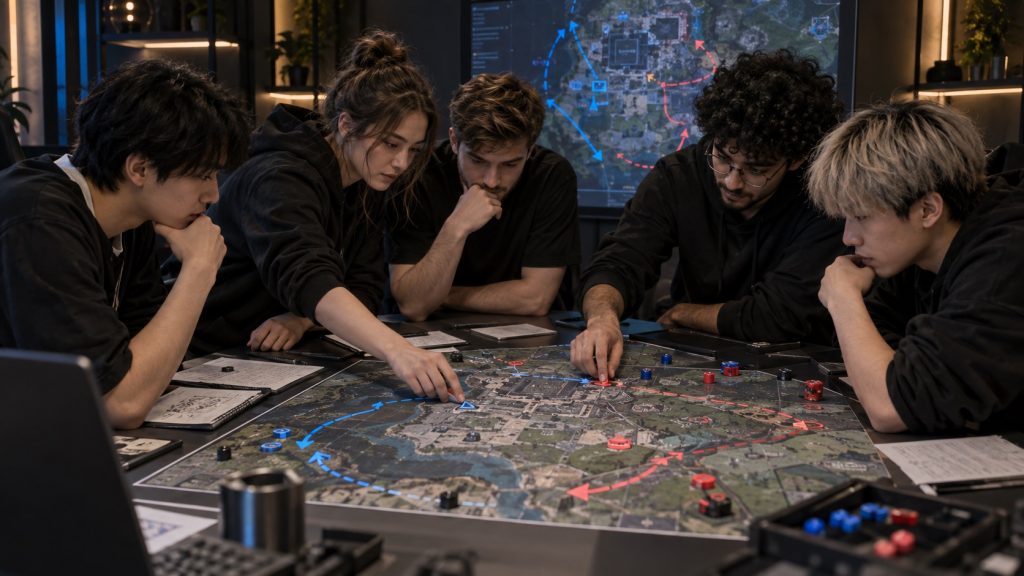
The current plan can be evaluated through the following areas.
| Area | G2’s approach | Desired effect |
|---|---|---|
| Core structure | Retain proven earlier concepts | Protect team-wide consistency |
| AWP freedom | Add selected set rounds | Create supported aggressive chances |
| Difficult maps | Adapt on Ancient and Inferno | Avoid predictable opening peeks |
| T-side support | Hold utility early | Preserve value for later situations |
| Confidence | Improve team play around r1nkle | Turn survival into greater output |
G2’s solution is measured rather than dramatic. The team will not replace its entire identity to make r1nkle comfortable, but it is listening to him, introducing map-specific opportunities and asking him to develop the patience required by elite late rounds. That creates a clearer path than simply demanding more kills.
The next step is execution. r1nkle’s mechanics provide the ceiling, while G2’s spacing, communication and timing determine how often he can reach it. If the team balances controlled support with genuine freedom, his early statistics can improve without weakening the system that every other player still depends upon.
Comments